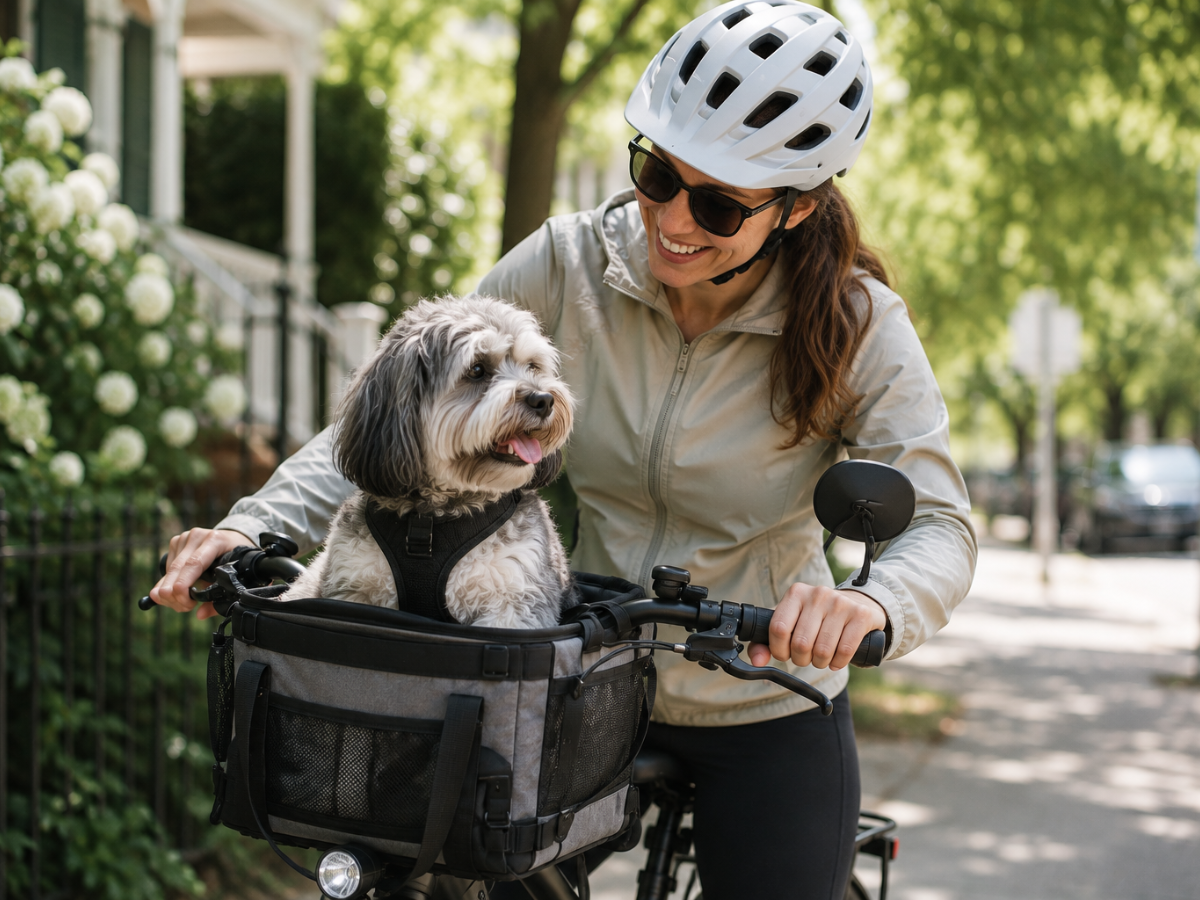
Riding an e-bike through Atlanta offers a convenient way to commute, explore neighborhoods, and enjoy the city’s growing network of streets and trails.
But with higher speeds and changing traffic conditions, the right safety gear becomes just as important as the bike itself. A quality helmet and properly chosen protective equipment can significantly reduce the risk of injury while making every ride more comfortable and confident.
E-bike helmets and safety gear for Atlanta riders should be selected with local riding conditions in mind. From certified helmets and high-visibility apparel to lights, gloves, mirrors, and reflective accessories, each piece contributes to a safer riding experience on busy roads and shared paths.
This guide explores the essential safety gear every Atlanta e-bike rider should consider before heading out.
How to Choose E-Bike Helmets and Safety Gear for Safer Atlanta Rides
Do You Need a Helmet Designed Specifically for E-Bike Riding?
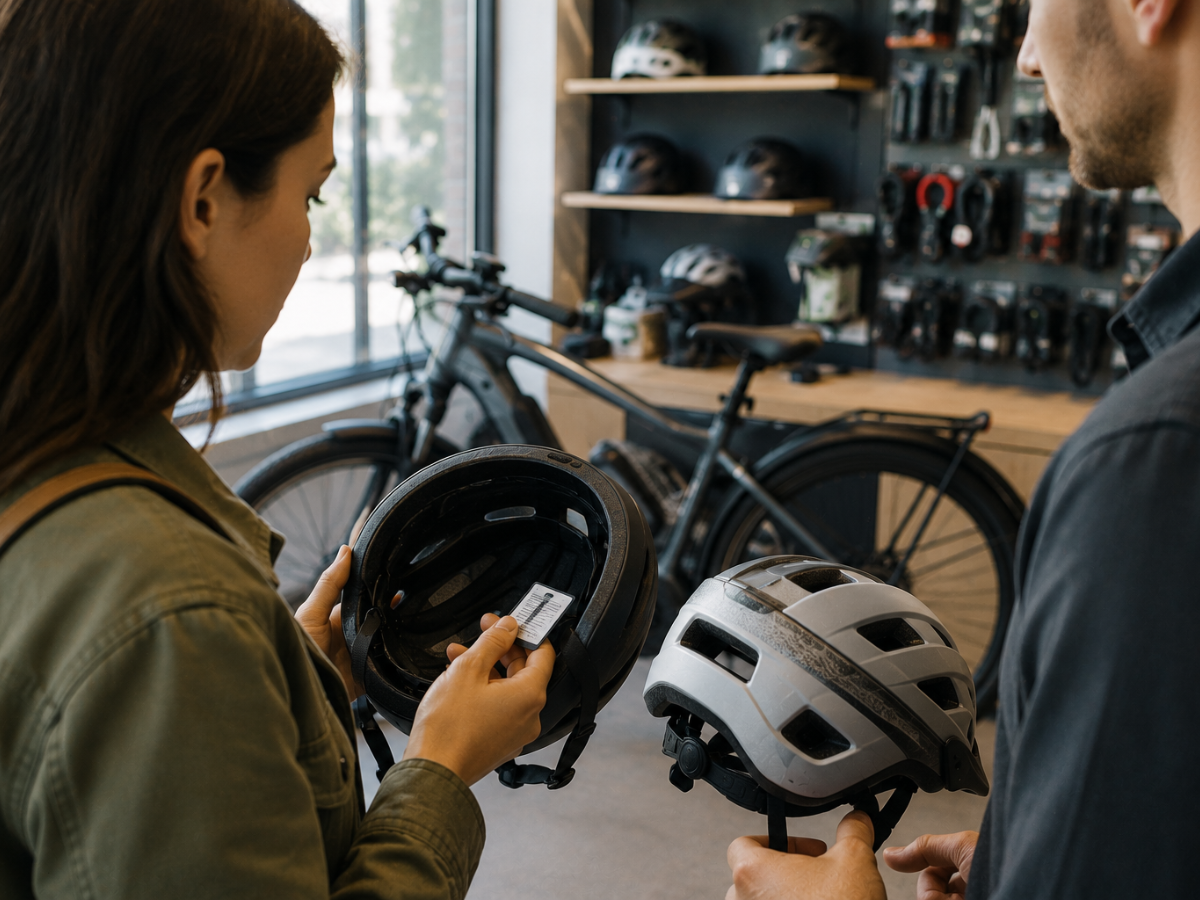
Not necessarily. The better question is whether your helmet provides an appropriate level of protection for the speeds and conditions you encounter.
In the United States, bicycle helmets sold for cycling must meet the federal CPSC bicycle helmet standard. For many people riding lower-speed e-bikes on neighborhood streets, bike paths, and everyday commutes, a properly fitted CPSC-compliant helmet provides an important baseline.
Faster riding deserves additional consideration. Riders who regularly use higher-speed e-bikes, including Class 3 models, may want to look for e-bike helmets certified to NTA 8776.
This standard was developed with higher-speed e-bike use in mind and tests helmets under different requirements than conventional bicycle standards.
Do not rely on the words “e-bike helmet” on the packaging alone. Check the certification label, consider your typical riding speed and environment, and make fit a priority.
Which Helmet Certification Should You Look For?
Certification can be confusing because different labels serve different purposes. Instead of assuming that a more expensive helmet is automatically safer, look for recognized standards appropriate to your riding.
| Certification | What It Tells You | Who Should Consider It |
|---|---|---|
| CPSC | Meets U.S. federal bicycle helmet requirements | Everyday bicycle and many e-bike riders |
| NTA 8776 | Designed and tested with higher-speed e-bike use in mind | Faster e-bike and Class 3 riders |
| Additional safety technologies | May provide features beyond the required certification | Riders comparing higher-end helmet designs |
Certification should be one part of the decision, not the entire decision. Coverage, fit, ventilation, visibility, and comfort also determine whether a helmet works well for everyday use.
Be cautious with unfamiliar products that make broad safety claims without clearly identifying the standards they meet. Checking the permanent certification information inside the helmet is more useful than relying on advertising language.
How Should an E-Bike Helmet Fit?
Even well-designed e-bike helmets cannot provide their intended protection if they move excessively or sit incorrectly.
Start by measuring the circumference of your head and checking the manufacturer’s sizing chart. Once the helmet is on, it should sit level rather than tipped backward. The front should rest roughly one or two finger widths above your eyebrows, with the side straps forming a comfortable “V” around each ear.
Fasten the chin strap and adjust the retention system until the helmet feels secure without creating uncomfortable pressure. Try moving the helmet gently from side to side and front to back. It should stay largely in position rather than sliding freely across your head.
For Atlanta riders, comfort in hot and humid conditions matters too. Good ventilation can make a noticeable difference during longer summer commutes. A helmet that becomes unbearably hot is also less useful if you are tempted to leave it at home.
Should Faster E-Bike Riders Choose More Coverage?
Speed changes the type of riding conditions you need to prepare for. Someone cruising a neighborhood path has a different risk profile from someone regularly riding a Class 3 e-bike alongside vehicle traffic.
Higher-speed riders may want to prioritize helmets with greater coverage, secure retention systems, and certifications developed for faster e-bike use. Some riders may also prefer extended coverage around the back and sides of the head.
More coverage can come with tradeoffs, particularly weight and ventilation. The goal is not simply to buy the largest helmet available. Choose protection appropriate to your riding while making sure the helmet remains comfortable enough for regular use.
What Other Safety Gear Should You Wear on an E-Bike?
A helmet is only one part of a safer riding setup. Visibility and control matter just as much during everyday riding.
Front and rear lights help other road users see you, particularly around dawn, dusk, rain, and shaded streets. Reflective elements can improve visibility from different directions. Gloves can improve grip and provide some protection for your hands during a fall.
For commuters, cargo storage can also contribute to safer riding. A secure rack, basket, or pannier keeps heavier belongings off your shoulders and prevents loose items from interfering with steering or balance.
A phone mount can be useful for navigation, but position it where directions can be glanced at without requiring prolonged attention away from the road.
When Should You Replace an E-Bike Helmet?
Replace a helmet after a significant crash or impact, even when the exterior appears undamaged. The energy-absorbing material inside can be compromised without leaving an obvious crack.
Replacement is also appropriate when the shell is cracked or deformed, straps or buckles are damaged, the retention system no longer holds securely, or the helmet has deteriorated with age. Follow the helmet manufacturer’s guidance regarding inspection, care, and recommended replacement.
Used helmets deserve particular caution because you may not know whether they have previously absorbed an impact.
How Do You Choose the Right E-Bike Helmet for Atlanta Riding?
Start with your actual riding habits rather than choosing based on appearance alone. A recreational rider spending most of their time on local paths may value ventilation and lightweight comfort.
A daily commuter mixing with Atlanta traffic may place greater emphasis on visibility, coverage, and secure fit. Faster riders may want to prioritize an NTA 8776-certified option.
Trying e-bike helmets in person can be especially useful because two models in the same labeled size may fit very differently. Head shape, padding, adjustment systems, ventilation, and coverage all affect comfort.
For Atlanta riders, ElectroBike Georgia can help with comparing helmets and other riding gear in person.
Ultimately, the best helmet is not simply the most expensive or feature-heavy model. It should meet an appropriate safety standard, fit securely, suit the speeds you ride, and remain comfortable enough that wearing it becomes an automatic part of every trip.
What Safety Gear Makes Sense for Atlanta E-Bike Riders?
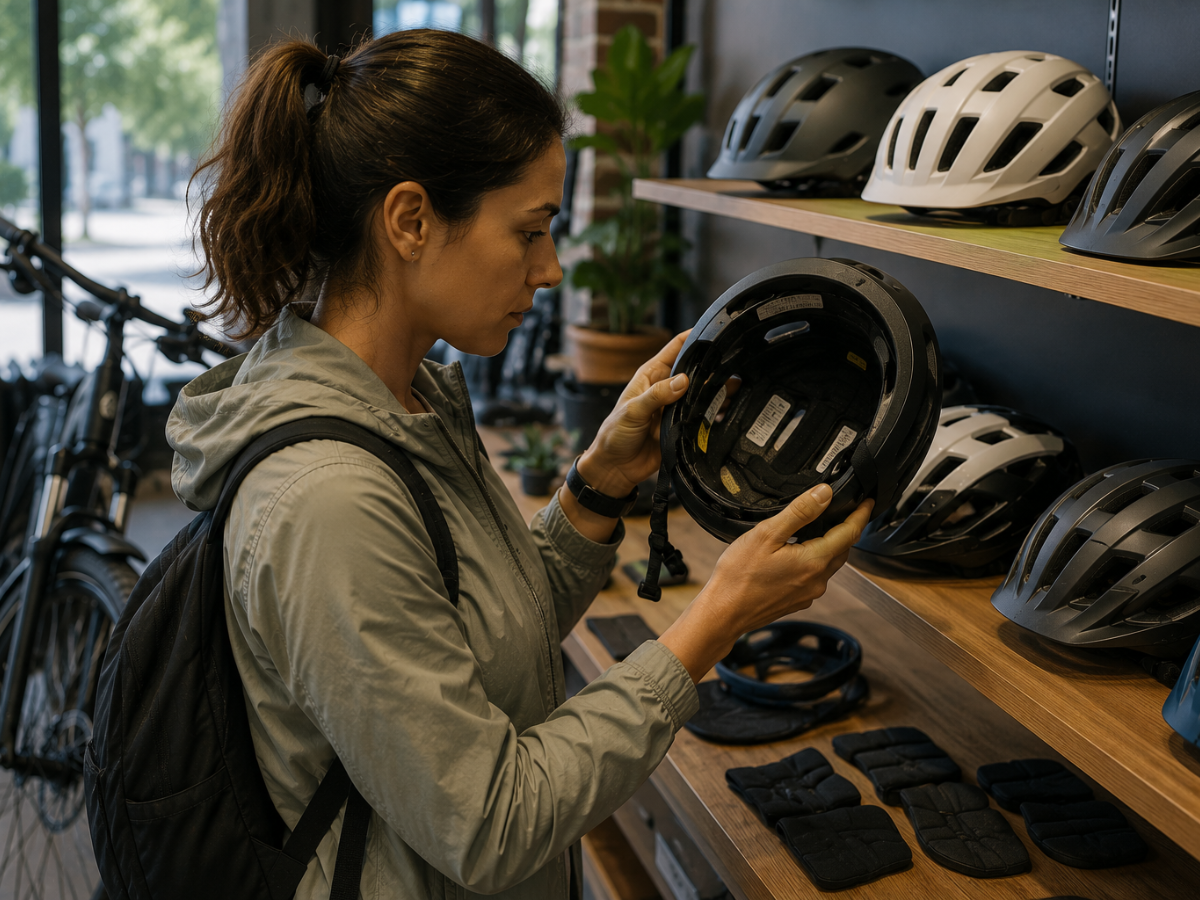
Atlanta riders can encounter very different conditions within the same trip. A route might include a neighborhood street, a busy intersection, a multi-use path, rough pavement, and stretches alongside vehicle traffic. Your safety gear should reflect those conditions rather than simply the type of e-bike you own.
A helmet comes first, but choosing one is not as simple as picking the lightest or most expensive model. The best e-bike helmets combine an appropriate safety certification with secure fit, adequate coverage, and enough comfort that you will actually wear the helmet consistently.
Your typical speed matters too. Someone taking relaxed rides on multi-use paths has different protection needs from a daily commuter traveling in mixed traffic or a rider regularly using a Class 3 e-bike.
Match Your Helmet to Your Atlanta Riding Style
Instead of shopping by appearance or price alone, think about where, when, and how fast you normally ride.
| Riding Style | What to Prioritize |
|---|---|
| Casual path riding | Comfortable fit, good ventilation, low weight |
| Daily commuting | Secure retention, visibility, adequate coverage |
| Faster e-bike riding | Certification appropriate for higher speeds, secure fit, increased coverage |
| Trail or mixed-surface riding | Extended coverage, ventilation, secure retention, optional visor |
| Frequent evening riding | Visibility features such as reflective details or integrated lighting |
For many everyday riders, a helmet that meets the U.S. CPSC bicycle helmet standard provides an important baseline. Riders who regularly travel at higher e-bike speeds may also want to consider NTA 8776-certified helmets. This standard was developed specifically with higher-speed e-bike and speed-pedelec use in mind.
More protection does not necessarily mean choosing the bulkiest helmet available. Match the certification and coverage to your riding while considering comfort, weight, and ventilation.
Why Helmet Fit Matters as Much as Certification
Even appropriately certified e-bike helmets need to fit correctly to provide their intended protection. Helmet shapes vary between manufacturers, which means two models marked as the same size may sit very differently on your head.
A good fit starts with the helmet sitting level, not tilted toward the back of your head. It should cover your forehead without obstructing your vision and remain largely in place when you gently move your head from side to side.
The retention system should tighten securely without creating uncomfortable pressure, while the chin strap should be snug enough to prevent excessive movement.
Pay attention to pressure points when trying helmets. A small area of discomfort in the store can become distracting during a longer ride.
Atlanta’s hot, humid summers also make ventilation more than a minor comfort feature. Commuters and recreational riders spending extended periods outside should consider vent placement and airflow alongside fit and coverage.
Do Commuters Need Different Gear Than Recreational Riders?
Often, they do. Commuters tend to encounter more traffic, changing light conditions, frequent intersections, and time spent riding around vehicles. That makes visibility an especially important part of their safety setup.
A commuter may benefit from reflective helmet details, front and rear bike lights, reflective clothing or accessories, and gloves that provide secure grip. Riders traveling early in the morning or after sunset should pay particular attention to being visible from the front, rear, and sides.
Recreational path riders may put more emphasis on ventilation and lightweight comfort, while trail riders may prefer greater head coverage and a secure retention system for uneven terrain.
The route matters as much as the bike.
What Other Safety Gear Is Worth Adding?
A helmet protects your head, but a safer e-bike setup also addresses visibility, control, and distractions.
Front and rear lights are useful even outside nighttime riding because they can make a cyclist easier for other road users to notice. Reflective elements provide another layer of visibility in lower-light conditions.
Gloves can improve grip, particularly during longer rides or hot weather when hands become sweaty. If you carry work equipment, groceries, or personal belongings, a secure rack, basket, or pannier is generally preferable to hanging loose bags from the handlebars, where they can interfere with steering.
Mirrors can also be useful for commuters who regularly ride near traffic. They provide another way to monitor approaching vehicles without repeatedly turning your head, although they should complement rather than replace normal shoulder checks.
Where Can Atlanta Riders Compare E-Bike Helmets in Person?
Fit is one area where shopping online can be difficult. Trying e-bike helmets in person lets you compare head shape, sizing, padding, ventilation, coverage, and adjustment systems before committing to a particular model.
ElectroBike Georgia gives Atlanta riders the opportunity to explore helmets and other e-bike accessories alongside their riding setup. In-person comparison can also help determine whether accessories such as lights, mirrors, racks, bags, or locks are compatible with the bike.
When comparing helmets, start with three questions: How fast do you normally ride? Where do you spend most of your riding time? Which properly certified helmet fits securely enough to remain comfortable for an entire ride?
Those questions are much more useful than choosing e-bike helmets based on price, appearance, or brand recognition alone.
Where Can Atlanta Riders Shop for E-Bike Helmets and Safety Gear?
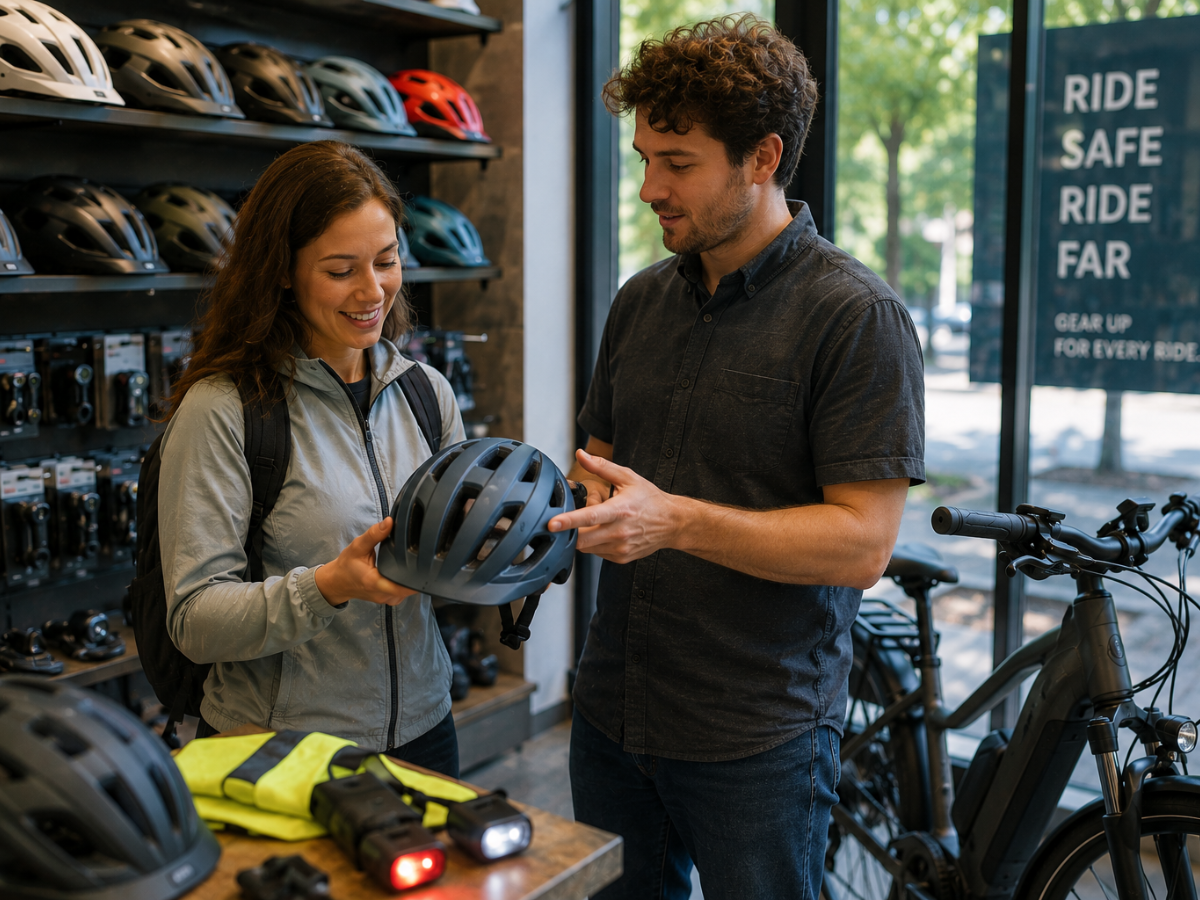
Buying protective gear in person has one major advantage: you can find out how it actually feels before committing. That is especially useful with e-bike helmets because sizing, internal shape, padding, ventilation, and adjustment systems can vary considerably between brands.
Atlanta riders can visit ElectroBike Georgia to compare helmets and other e-bike safety gear alongside the bikes they are designed to complement. Rather than choosing from a generic selection, riders can consider their equipment in the context of their typical speed, routes, and riding habits.
That matters because a recreational rider spending weekends on shared-use paths may have different priorities from someone commuting through Atlanta traffic several days a week.
Why Is It Worth Trying On E-Bike Helmets Before Buying?
A sizing chart can narrow your options, but measurements alone cannot tell you whether a particular helmet shape works with your head.
When trying on e-bike helmets, pay attention to how evenly the padding contacts your head and whether the helmet remains level when you move. Tightening the retention system should create a secure fit without producing concentrated pressure around your forehead, temples, or the back of your head.
The straps should adjust comfortably around your ears and beneath your chin, while the helmet itself should resist sliding forward or backward.
Give yourself a few minutes in each helmet rather than judging it immediately. Minor pressure points can become much more noticeable during a longer ride. For Atlanta’s warm and humid riding conditions, ventilation deserves attention too. Compare the number and position of vents, airflow channels, and overall helmet weight, particularly if you expect to commute or ride for extended periods.
What Should You Tell the Shop About Your Riding?
A useful helmet recommendation starts with more than your head measurement. Be ready to explain how you actually use your e-bike.
Someone who primarily rides recreationally on paved paths might prioritize lightweight construction and ventilation. A commuter regularly sharing roads with vehicles may care more about visibility, coverage, and a secure retention system. Faster riders may want to discuss e-bike helmets designed and certified with higher-speed riding in mind.
Your typical ride length matters as well. Comfort becomes increasingly important when a helmet stays on for an hour rather than 15 minutes.
Giving the shop a realistic picture of your riding habits makes it easier to narrow the selection based on features you will actually use instead of paying for extras that add little value.
What Other Safety Gear Should You Consider at the Same Time?
A helmet is the foundation of an e-bike safety setup, but it should not be considered in isolation.
Front and rear lights can improve visibility around traffic and in changing light conditions. Reflective details or clothing can make riders easier to notice from different directions. Gloves can improve grip and protect the hands from minor scrapes during a fall.
Commuters should also think about how they carry belongings. A properly installed rack, basket, or pannier can keep bags and other items away from the handlebars and wheels. A secure lock is another practical purchase if the bike will regularly be left outside workplaces, restaurants, stores, or transit stops.
If you already own your e-bike, bringing the model name or a photo of the bike can make it easier to check whether racks, bags, lights, locks, and other accessories will fit correctly.
Why Does Ongoing Bike Service Matter for Rider Safety?
Protective equipment can reduce risk, but it cannot compensate for a poorly maintained bike.
Brake performance, tire condition, wheel alignment, steering, lighting, and drivetrain operation all affect how predictably an e-bike responds on the road.
Because electric assistance can add speed and weight compared with a conventional bicycle, keeping these systems in good working order is an important part of overall riding safety.
ElectroBike Georgia provides service and repair support for the e-bikes it sells, allowing customers to return for routine maintenance and troubleshooting as their bikes accumulate mileage.
Your helmet deserves periodic attention too. Inspect the shell, straps, buckles, padding, and adjustment mechanism for damage or deterioration. A helmet that has sustained a significant impact should be replaced even when obvious exterior damage is not visible.
How Can You Make an In-Store Visit More Useful?
Before visiting, know your e-bike model, approximate riding speeds, typical routes, and the kind of riding you do most often. If you ride before sunrise or after dark, mention that too. Visibility features may deserve greater priority.
Then compare several helmets rather than assuming the first one in your size is the right choice. Check certification, fit, coverage, ventilation, weight, and adjustment before considering appearance or additional features.
The best e-bike helmets are not necessarily the most expensive models on the shelf. A better choice is one that meets an appropriate safety standard, stays securely in position, suits your riding environment, and remains comfortable enough that wearing it on every ride feels effortless.
How Can E-Bike Riders Improve Visibility in Atlanta Traffic?
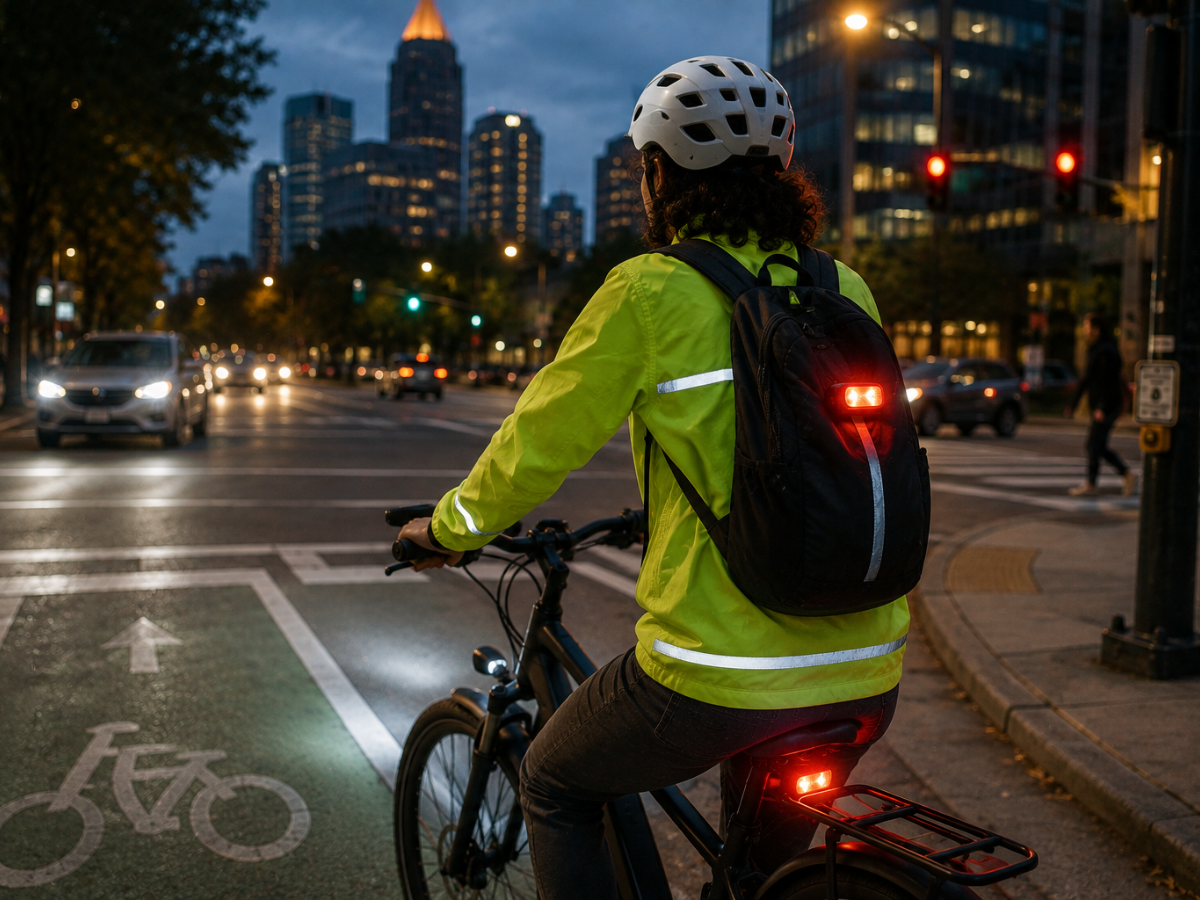
A helmet can help protect you during a crash, but some of the most useful e-bike safety gear serves a different purpose: helping other road users notice you sooner.
Visibility deserves particular attention when a ride includes intersections, vehicle traffic, parking areas, or changing light conditions. E-bikes can also approach more quickly than drivers or pedestrians expect, so being visible does not guarantee that someone has accurately judged your speed.
The goal is not to cover yourself in fluorescent gear. A better approach is to create several points of visibility on both the bike and rider so you can be noticed from the front, rear, and sides.
Start With Front and Rear Bike Lights
A white front light and red rear light are among the most useful additions to a commuter setup. They help other road users detect and recognize a cyclist, particularly around dawn, dusk, nighttime, and poor weather. NHTSA notes that active bicycle lighting improves detection and recognition by motorists.
Do not think of the front light solely as a way to illuminate a dark road. It can also make your presence more noticeable to an approaching driver.
Before heading out, check that both lights are charged and securely mounted. Their positioning matters too. A rear light partially hidden behind a pannier, jacket, basket, or cargo bag will not provide the visibility you expect.
If you regularly ride in low-light conditions, make checking your lights part of the same pre-ride routine as checking your tires and brakes.
Add Visibility From More Than One Direction
Front and rear lights address only part of the problem. Intersections, driveways, and parking areas can place cyclists alongside rather than directly in front of approaching vehicles.
Reflective elements on clothing, bags, wheels, pedals, or other equipment can help create visibility from additional angles. Federal bicycle requirements also include reflectors intended to make bicycles more visible at night.
Reflective materials become particularly useful when illuminated by vehicle headlights. Bright or high-visibility clothing can help during daylight and lower-light conditions as well. NHTSA recommends bright colors and reflective materials as part of making cyclists easier to see.
That does not mean every ride requires specialized cycling clothing. A reflective strip on a backpack, jacket, helmet, or ankle band can add another visible element without changing your entire riding wardrobe.
Should You Use Lights During the Day?
Daytime lights can be worth considering, especially for riders who spend significant time around vehicle traffic.
Research summarized by NHTSA indicates that active visibility aids such as lights can improve cyclist detection, and one controlled trial found fewer daytime bicycle crashes among riders using flashing lights during the study period.
For an Atlanta commuter, daytime lighting can be particularly useful when conditions change during the ride. Tree cover, parking structures, rain, shadows from buildings, and the transition into evening can all reduce contrast even when it is not fully dark.
If your lights offer multiple modes, choose a setting appropriate to the conditions while making sure the light is positioned so it does not unnecessarily impair the vision of other road or trail users.
Make Sure Your Safety Gear Does Not Create New Distractions
More equipment is not automatically better. Lights, mirrors, phone mounts, bags, and other accessories need to be positioned so they do not interfere with steering, braking, visibility, or control.
A phone mount, for example, can make navigation more convenient, but repeatedly looking down at directions still takes attention away from the road. Set your route before leaving and keep visual checks brief.
Cargo deserves the same attention. Make sure panniers and bags are properly secured and cannot swing toward the wheels. Confirm that nothing blocks the rear light or reflectors after loading the bike.
Before riding, it is worth walking around the e-bike once and checking the setup from different angles. A light that appears perfectly visible from the saddle may be partly obscured when viewed from behind.
Visibility Helps, but It Does Not Replace Defensive Riding
Lights and reflective equipment can make a cyclist easier to notice, but they cannot guarantee that a driver has seen you. NHTSA specifically cautions that visibility measures cannot overcome every problem, including driver distraction.
Continue watching vehicle movements at intersections, driveways, and parking-lot entrances rather than assuming eye contact or bright equipment means a driver will yield. CPSC similarly advises micromobility riders to anticipate that drivers and pedestrians may not see them and to remain aware of their surroundings.
That distinction is important when thinking about e-bike helmets and safety equipment as a whole. A helmet provides protection if a crash occurs. Lights, reflectors, and visibility gear may help other road users detect you sooner. Attentive, predictable riding adds another layer.
Together, those measures create a more complete safety setup than relying on any single piece of equipment.
Frequently Asked Questions About E-Bike Helmets
Do You Need a Special Helmet for an E-Bike?
Not every e-bike rider needs a helmet marketed specifically for electric bicycles. What matters more is choosing a helmet with an appropriate safety certification for the speeds and conditions in which you ride.
In the United States, bicycle helmets sold for cycling must comply with the federal CPSC bicycle helmet standard.
For riders who regularly travel at higher e-bike speeds, including those using Class 3 models, an NTA 8776-certified helmet may be worth considering. NTA 8776 was developed specifically with higher-speed e-bike and speed-pedelec use in mind.
Rather than relying on an “e-bike” label, check the helmet’s certification, coverage, fit, and intended use. The best e-bike helmets are appropriate for your riding speed and secure enough to stay correctly positioned.
What Should Be Included in an E-Bike Safety Kit?
Start with equipment that addresses the most common needs on an everyday ride:
- A properly fitted helmet with an appropriate safety certification
- Front and rear lights
- Reflective clothing or accessories for lower-light conditions
- A secure bike lock
- Gloves for grip and hand protection
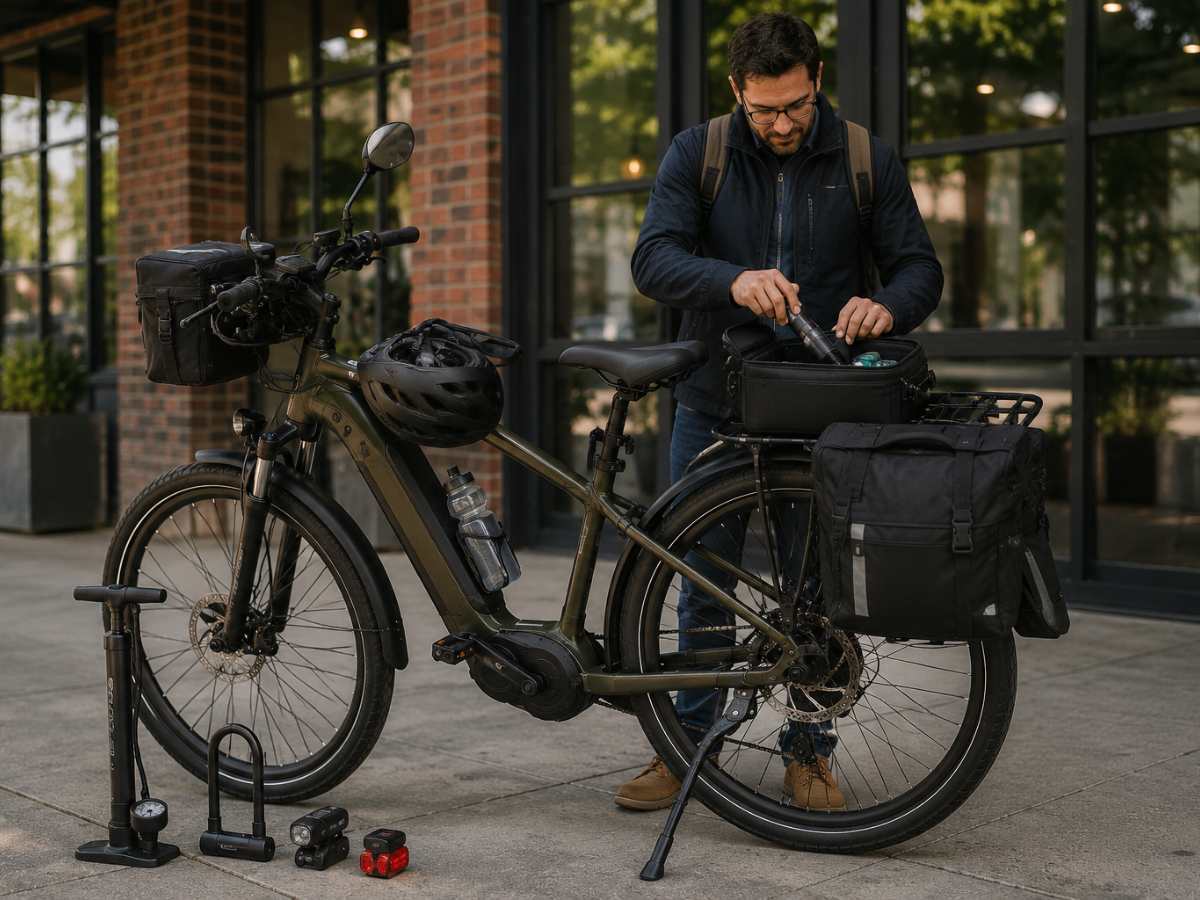
- A basic repair kit, tire levers, and a portable pump
- A phone mount if you regularly use navigation
Your kit should reflect the type of riding you do. Someone taking short recreational rides may carry relatively little, while a commuter traveling several miles each way may want tools, a spare tube or compatible puncture-repair supplies, and additional visibility equipment.
A rear rack, basket, or panniers can also make commuting more comfortable by moving cargo off your back and keeping belongings securely attached to the bike.
How Should an E-Bike Helmet Fit?
A helmet should sit level on your head rather than tilted backward, with the front positioned low enough to protect your forehead without obstructing your vision.
Adjust the retention system until the helmet feels snug around your head without creating painful pressure points. The side straps should sit comfortably around your ears, and the chin strap should be secure enough to limit excessive helmet movement.
Once adjusted, gently move the helmet forward, backward, and from side to side. Some movement is normal, but the helmet should not slide freely or expose large areas of your forehead.
Do not assume that finding the correct size guarantees a good fit. Manufacturers use different internal shapes, so trying several models can make a noticeable difference in comfort and stability.
Are More Expensive E-Bike Helmets Safer?
Price alone is not a reliable measure of protection. A higher price may reflect features such as lighter materials, improved ventilation, different adjustment systems, integrated lighting, additional coverage, or other design technologies.
Certification and fit should come first. A more expensive helmet that fits poorly is not automatically a better choice than a properly certified, less expensive model that sits securely on your head.
Once those essentials are covered, compare features based on your riding habits. Atlanta commuters, for example, may place greater value on ventilation and visibility, while faster riders may prioritize additional coverage and certification intended for higher-speed e-bike use.
Should You Replace an E-Bike Helmet After a Crash?
Yes, after a significant impact. A helmet’s energy-absorbing material can be damaged even when the outer shell appears normal. Because that damage may not be visible, a helmet that has taken a substantial hit should generally be retired rather than reused.
You should also inspect your helmet periodically for cracks, deformation, damaged straps or buckles, worn adjustment components, or other signs of deterioration.
For replacement based solely on age, follow the helmet manufacturer’s guidance rather than relying on a universal number of years. Materials, construction, use, storage, and environmental exposure can differ between products.
Can You Use a Motorcycle Helmet on an E-Bike?
A motorcycle helmet provides a different type and level of protection, but that does not automatically make it the most practical choice for everyday e-bike riding.
Motorcycle helmets are typically heavier and provide less ventilation than bicycle-oriented helmets. That can become uncomfortable during pedaling, particularly during Atlanta’s warmer months. Reduced ventilation, weight, peripheral vision, and hearing can also affect the riding experience depending on the helmet design.
Instead of assuming that more helmet automatically means better protection for every situation, choose equipment designed and certified appropriately for the way you ride.
Where Can Atlanta Riders Get Fitted for E-Bike Helmets?
Trying e-bike helmets in person can help resolve one of the biggest uncertainties in buying online: fit. Two helmets with identical size labels can feel noticeably different because of variations in internal shape, padding, coverage, and retention systems.
Atlanta riders can visit ElectroBike Georgia to explore helmets and other e-bike safety accessories in person. Riders can compare options based on their commute, typical speeds, comfort preferences, and riding environment rather than choosing from specifications alone.
The right helmet should meet an appropriate safety standard, fit securely, and remain comfortable throughout the ride. Pairing that protection with good visibility equipment, a well-maintained e-bike, and attentive riding creates a much more complete approach to e-bike safety.
Conclusion
Investing in the right e-bike helmet and safety gear is one of the best ways to ride with greater confidence and peace of mind. From properly fitted helmets and high-visibility apparel to lights, mirrors, and protective accessories, the right equipment can help make every ride safer and more enjoyable.
Whether you’re commuting through Atlanta or exploring local trails, choosing quality gear is an important part of every ride. For premium e-bikes, safety accessories, and expert guidance, choose ElectroBike Georgia.
If you’re ready to gear up for a safer ride, call (404) 400-7132 to speak with the team at ElectroBike Georgia, or contact us today to find the right e-bike and accessories for your needs.