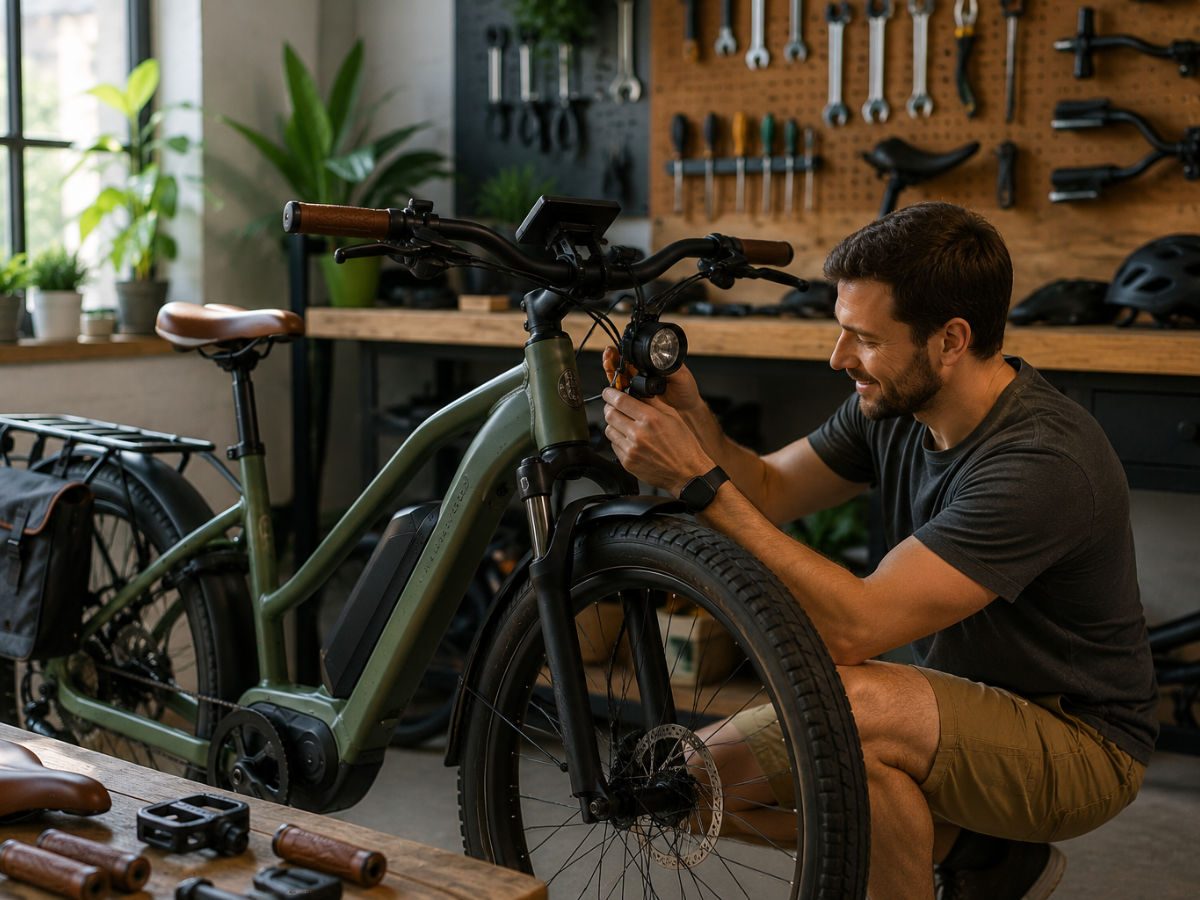
An ebike is more than just a way to get from one place to another. It can be tailored to match your riding style, improve comfort, and reflect your personality.
Whether you use your ebike for commuting, weekend adventures, or daily errands, thoughtful upgrades can enhance both its performance and overall riding experience.
Ebike customization gives riders the flexibility to improve everything from comfort and convenience to appearance and functionality.
Upgrades such as ergonomic saddles, adjustable handlebars, lighting, storage accessories, custom grips, and stylish finishes can make every ride more enjoyable while adding a personal touch.
This guide explores practical customization ideas that help you upgrade your ride’s look and comfort, allowing you to create an ebike that fits your needs and stands out on every journey.
EBike Customization Ideas to Upgrade Your Everyday Ride
What Should You Consider Before Starting an E-Bike Customization Project?
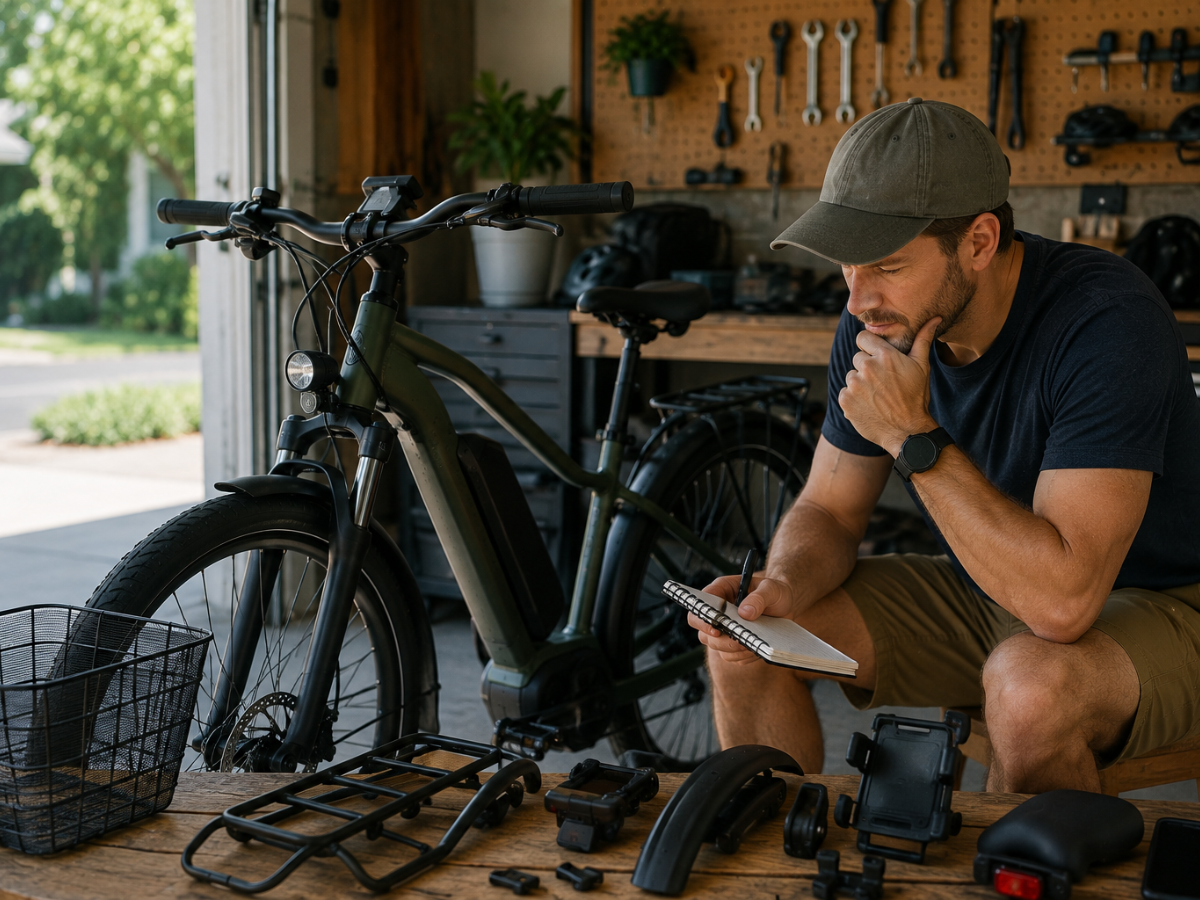
The most successful ebike customization projects start with a clear purpose. It is easy to add accessories one at a time, but that can leave you with a bike that feels cluttered, unbalanced, or more expensive than it needs to be.
A better approach is to identify what is not working in your current setup. Maybe your commute would be easier with more cargo space. Perhaps your wrists or lower back become uncomfortable on longer rides. You may need better lighting for evening trips or a more secure way to carry a phone, laptop, or groceries.
Once the problem is clear, the right upgrade usually becomes much easier to identify.
Start With the Way You Actually Ride
Your riding habits should shape the entire customization plan.
A weekday commuter may need a very different setup from someone who rides primarily on weekends. Before buying anything, think about distance, terrain, weather, storage, and what you regularly carry.
A few useful questions include:
- Do you commute several days a week?
- Are your routes mostly paved, hilly, or mixed terrain?
- Do you regularly carry work equipment, groceries, or other cargo?
- Do you ride after dark or in poor weather?
- Which parts of the bike become uncomfortable on longer rides?
- Where do you park and store the bike?
These answers help separate worthwhile upgrades from accessories that may look useful but rarely solve a real problem.
Check Compatibility Before Choosing an Upgrade
This is especially important with e-bikes because the battery, motor, wiring, display, and controls can affect where accessories or replacement components can be installed.
Before buying a rack, basket, handlebar, light, suspension seatpost, or other component, check the manufacturer’s specifications for your bike. Look at mounting points, dimensions, electrical compatibility, weight limits, and whether the proposed modification could interfere with the battery or cables.
Upgrading several components at once can create additional conflicts. A new handlebar might improve riding position but leave less room for the display, brake controls, mirror, and phone mount. A rear rack may fit the frame but interfere with battery removal or other accessories.
Thinking about the bike as a complete system is one of the most important parts of ebike customization.
Fix Comfort Problems Before Buying Performance Upgrades
Many riders assume that a more powerful component will make the biggest difference, when the real problem is often comfort.
Saddle height, saddle shape, grip position, handlebar reach, and overall riding posture can have a major effect on how the bike feels after 30 or 60 minutes. Before replacing components, make sure the existing bike is properly adjusted.
If adjustments are not enough, targeted upgrades may help:
| Comfort Issue | Upgrade to Consider |
|---|---|
| Hand or wrist discomfort | Ergonomic grips or handlebar-position adjustments |
| Saddle discomfort | Different saddle shape or professional fit adjustment |
| Harsh ride quality | Wider tires where compatible or a suspension seatpost |
| Excessive reach | Different stem or handlebar setup, if compatible |
| Cargo causing back strain | Rear rack, basket, or panniers |
Make one change at a time when possible. That way, you can tell whether the modification actually improved the problem before spending money on another.
Prioritize Safety and Utility Before Appearance
Cosmetic personalization can be fun, but it usually makes sense to address safety and everyday usability first.
Lights, mirrors, a secure lock, appropriate cargo storage, and reliable contact points often have a greater impact on regular riding than purely visual modifications. A commuter riding after dark, for example, will probably notice better lighting every day. A decorative upgrade may have little effect beyond appearance.
That does not mean personalization has no place. Once the practical setup works well, colors, bags, grips, decals, and other finishing details can make the bike feel more personal without compromising function.
Should You Upgrade the Motor, Battery, or Electronics?
Electrical modifications require more caution than ordinary accessories.
Motor controllers, batteries, displays, chargers, and drive-system components are often designed to work as a specific system. Replacing one part with an incompatible component can create reliability, safety, warranty, or performance problems.
Do not assume that a higher-capacity battery or more powerful motor can simply be installed because it physically fits. Voltage, connectors, battery-management systems, software, frame design, braking capability, and manufacturer restrictions may all matter.
For electrical ebike customization, checking with the bike manufacturer or a qualified e-bike technician before purchasing parts is usually the safer approach.
Build the Project in Stages
You do not need to customize everything at once. In fact, a phased approach often produces a better bike.
Start with problems that affect safety or comfort, then move to cargo and convenience. Leave optional appearance upgrades until you know the rest of the setup works well.
A sensible order might be safety and fit first, comfort second, utility third, and cosmetic personalization last.
This also makes budgeting easier and gives you time to evaluate each change during actual rides.
When Is Professional Installation Worth It?
Simple accessories may be easy to install at home when you follow the manufacturer’s instructions. Other changes deserve professional attention, particularly anything involving brakes, electrical systems, steering components, load-bearing racks, or significant alterations to riding position.
Professional help can also be useful before you buy. A technician may identify compatibility problems that are difficult to spot from product descriptions alone.
For Atlanta riders, ElectroBike Georgia can provide local guidance on compatible accessories, adjustments, and e-bike service.
The goal of ebike customization should not be to add the most equipment possible. A well-customized e-bike feels more useful, comfortable, and natural because every upgrade has a clear reason for being there. you can make.
A thoughtful approach to ebike customization results in a bike that feels more comfortable, practical, and enjoyable every time you ride.
How Can E-Bike Customization Make Your Ride More Comfortable?
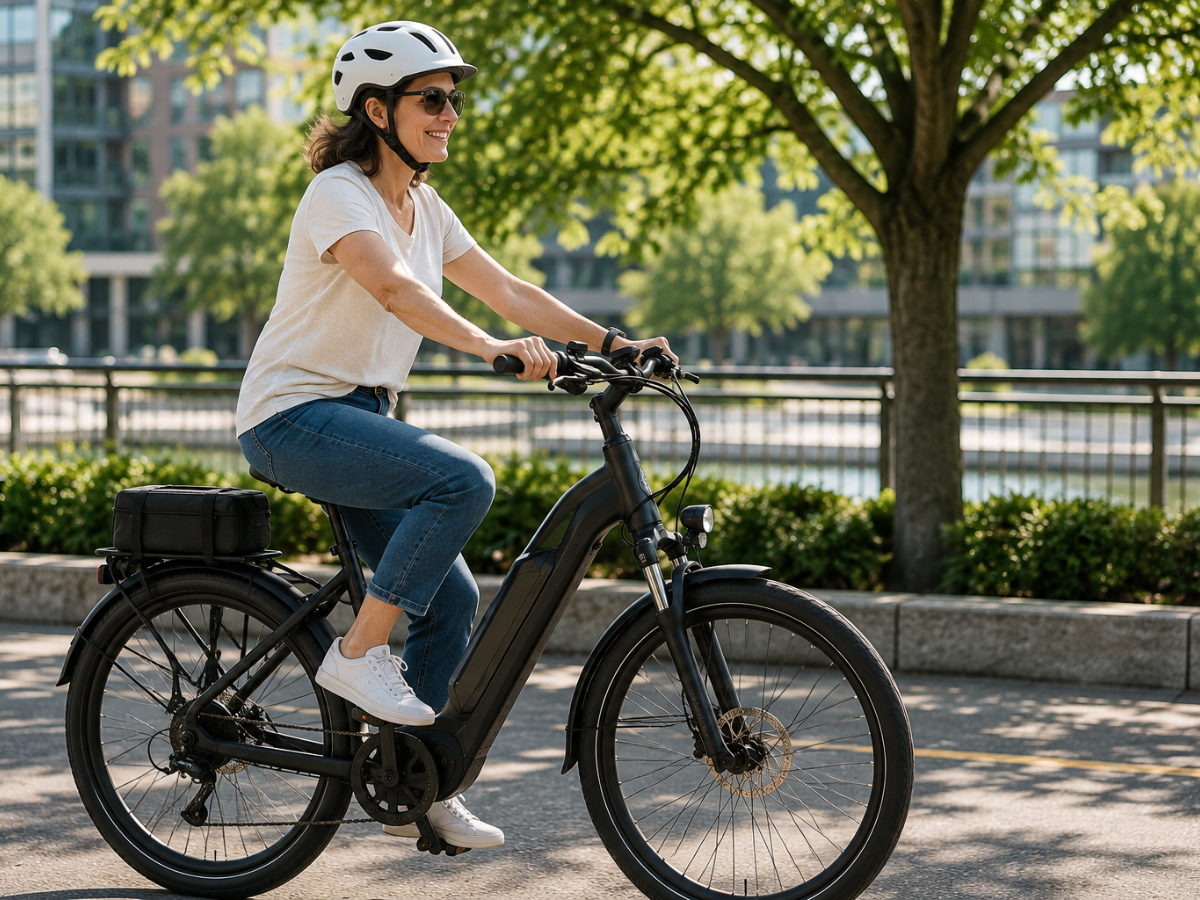
Comfort is one of the most practical reasons to consider ebike customization. Even a well-built e-bike can feel tiring after 30 or 60 minutes if the saddle, handlebars, grips, pedals, or riding position do not suit your body.
The mistake is assuming discomfort automatically means you need a new component. Sometimes the existing saddle is fine but positioned incorrectly.
A handlebar may not need replacing if adjusting its height or reach solves the problem. Starting with fit and adjustment can save money while revealing which upgrades are genuinely worthwhile.
Pay attention to when and where discomfort appears during a normal ride. That information gives you a much better starting point than buying comfort accessories at random.
Use Discomfort to Identify What Needs Attention
Different complaints can point toward different parts of the setup, although more than one factor may be involved.
| What You Notice | What to Evaluate |
|---|---|
| Saddle discomfort | Saddle position, shape, width, and seatpost setup |
| Sore or numb hands | Grip shape, hand position, handlebar reach, and riding posture |
| Wrist or shoulder fatigue | Handlebar height, reach, stem position, and grips |
| Neck or lower-back discomfort | Overall riding position and reach to the handlebars |
| Harshness over rough pavement | Tire setup, tire compatibility, saddle, or suspension seatpost |
| Feet slipping or feeling unsupported | Pedal size, grip, and footwear contact |
Treat this as a troubleshooting guide rather than a diagnosis. Persistent pain or numbness should not simply be accepted as part of cycling, particularly if basic adjustments do not improve it.
Should You Replace the Saddle or Adjust It First?
The saddle is often blamed first, but replacement should not necessarily be your first move.
Check saddle height, tilt, and fore-aft position before shopping for a new one. Even a small change can affect how your weight is distributed between the saddle, pedals, and handlebars.
If adjustment does not resolve the problem, then look at saddle shape and width. A very soft, heavily padded saddle is not automatically more comfortable, particularly on longer rides. The best option depends on your anatomy and riding position.
More upright e-bikes generally place more rider weight on the saddle than sportier bikes, so saddle choice should reflect the posture you actually use rather than what looks most cushioned on the shelf.
Adjust Your Riding Position Before Adding More Parts
A surprising amount of discomfort can come from reaching too far forward or supporting too much upper-body weight with your hands.
If your shoulders feel tense or your wrists become tired quickly, evaluate the relationship between the saddle, handlebars, and stem. Depending on the bike, adjustments to handlebar height or angle may create a more relaxed position without replacing anything.
The goal is not always to sit as upright as possible. An excessively upright or poorly balanced position can create its own comfort problems. Aim for a posture that feels natural, allows easy steering and braking, and does not force you to lock your elbows or overstretch toward the controls.
Any changes to stems, handlebars, or steering components should remain within manufacturer specifications and preserve safe cable and brake-line routing.
Which Comfort Upgrades Are Actually Worth Considering?
Once the basic fit is right, targeted upgrades can refine the ride.
Ergonomic grips may help distribute pressure more comfortably across the hands. A suspension seatpost can reduce some of the vibration transmitted through the rear of the bike on rough pavement.
Larger platform pedals can provide a more supportive contact area, while wider tires may improve ride quality when the frame and wheels are designed to accommodate them.
These upgrades are most useful when they solve a specific problem. Installing a suspension seatpost on an already comfortable bike, for example, may add cost and weight without meaningfully improving your experience. That is why ebike customization works best when every part has a clear purpose.
Can Tire Choice Make an E-Bike More Comfortable?
Yes, but compatibility matters. Tire width, pressure, casing construction, and tread all influence ride feel. A tire run within its appropriate pressure range can absorb some road vibration before it reaches the rider. Wider tires may also offer more cushioning when the bike, rims, fenders, and frame provide sufficient clearance.
Do not simply install the widest tire that appears to fit. Check the e-bike and wheel manufacturer’s specifications first, and remember that tire pressure should reflect the tire, load, and intended use.
For many riders, simply correcting inappropriate tire pressure can improve comfort before a tire upgrade is necessary.
Make One Comfort Change at a Time
One of the easiest ways to waste money on ebike customization is to replace the saddle, grips, handlebars, pedals, and seatpost all at once. If the bike feels better afterward, you will not know which change actually helped.
Instead, adjust or upgrade one element and ride long enough to evaluate it under normal conditions. If the problem improves, you may not need to change anything else.
This staged approach also lets the bike evolve around your real riding habits. A rider who starts with short neighborhood trips may discover very different comfort priorities after beginning a longer commute.
A comfortable e-bike is not the result of adding the most premium components. It comes from getting the fundamentals right, identifying genuine sources of discomfort, and making deliberate changes that suit your body and the way you ride.
How to Personalize Your E-Bike Without Sacrificing Performance
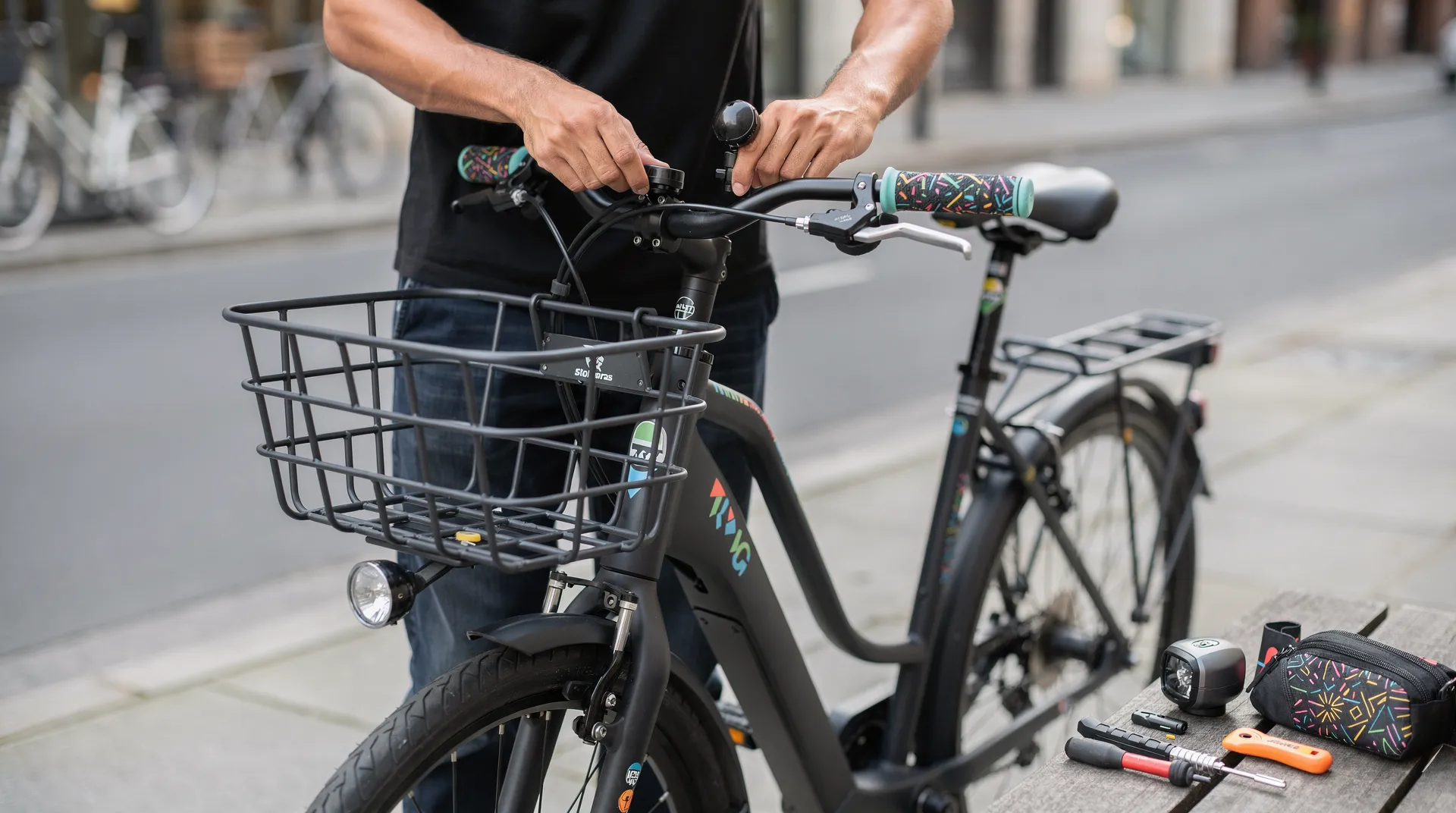
Good ebike customization should make the bike feel more personal without making it heavier, harder to handle, or less reliable. The goal is not to fill every available mounting point. It is to choose upgrades that support the way you ride, then add visual details that make the bike feel like your own.
That order matters. A commuter who adds decorative accessories before solving poor lighting or limited cargo space may end up spending twice. A rider who starts with function can build a cleaner setup where every component has a reason to be there.
Match Accessories to the Way You Use the Bike
Different riding styles create different priorities, so customization works best when it starts with your regular routine.
| Riding Style | Customization Ideas That Add Real Value |
|---|---|
| Daily commuting | Rear rack, panniers, mirrors, brighter lights, secure phone mount |
| Recreational riding | Ergonomic grips, saddle adjustments, suspension seatpost |
| Urban transportation | Strong lock, fenders, compact cargo storage, visibility upgrades |
| Weekend exploring | Frame bag, bottle cage, navigation mount, portable repair kit |
| Errand and utility riding | Basket, rack, panniers, weather-resistant storage |
A commuter riding after dark may get far more value from better lighting than from a new saddle. Someone using an e-bike for grocery runs may notice a cargo upgrade on nearly every trip.
Before buying an accessory, ask one simple question: What problem will this solve during a normal week of riding?
If the answer is unclear, the upgrade can probably wait.
Be Careful About Adding Too Much Weight
One downside of enthusiastic customization is that small accessories add up. A heavy lock, oversized basket, loaded panniers, tool kit, extra battery, and multiple mounts can noticeably increase the bike’s total weight.
That matters because additional weight can affect handling, braking, range, and how easy the bike is to move when the motor is not assisting. It also counts toward the bike’s stated payload capacity.
Keep heavier items low and securely mounted where possible. If you regularly carry substantial cargo, check the load rating of the bike, rack, and individual accessories rather than assuming that anything physically attached is safe to use.
A useful ebike customization project should improve utility without turning the bike into something cumbersome.
Personalize the Look Without Interfering With Function
Once the practical setup is working well, cosmetic changes can add character without affecting how the e-bike performs.
Grips, pedals, bags, reflective accents, frame-protection films, and other removable details are relatively simple ways to change the bike’s appearance. Coordinating a few pieces usually creates a cleaner result than adding unrelated accessories across the entire bike.
Frame protection can serve two purposes by adding a visual accent while helping shield high-contact areas from scratches. Reflective details can also combine personalization with improved visibility.
Avoid covering warning labels, serial numbers, lights, vents, battery interfaces, or other functional areas when applying wraps or decorative elements.
Make Sure New Accessories Work Together
A customization can fail even when every individual accessory technically fits.
Handlebars are a common example. An e-bike may already have brake levers, shifters, a display, and pedal-assist controls installed. Add a mirror, bell, phone mount, and extra light, and usable space can disappear quickly.
Cargo accessories can create similar conflicts. A basket may block a headlight. Panniers may interfere with the rider’s heels. A new rack could make battery removal inconvenient.
Before installation, think through the complete arrangement rather than treating each purchase separately. You should still be able to reach the controls comfortably, remove the battery normally, steer freely, and use safety equipment without obstruction.
Avoid Cosmetic Changes That Affect Safety or Reliability
Some modifications may look appealing but create unintended problems.
Do not alter structural frame components, drill mounting holes, modify electrical wiring, or replace safety-critical hardware simply to achieve a particular appearance unless the manufacturer specifically supports the change.
Electrical customization deserves particular caution. Decorative lighting, replacement displays, batteries, and other powered accessories need to be compatible with the bike’s electrical system. Connecting an unapproved device can create problems that go well beyond appearance.
When a modification involves wiring, braking, steering, load-bearing components, or the drive system, professional installation is usually worth considering.
Let the Bike Evolve With Your Riding
There is no reason to finish an ebike customization project in a weekend.
Ride the bike after each meaningful change and notice what improves. You may discover that better cargo storage eliminates the need for another bag, or that correcting the riding position makes an expensive comfort accessory unnecessary.
Over time, your needs may change too. A bike that begins as a recreational cruiser might eventually become a commuter, grocery hauler, or weekend touring setup.
For Atlanta riders who want help checking compatibility or planning upgrades, ElectroBike Georgia can provide local guidance on e-bike accessories and service.
The strongest custom builds rarely have the most accessories. They have the right accessories, installed in the right places, with enough restraint that the bike still feels simple and natural to ride.
What E-Bike Customization Mistakes Should You Avoid?
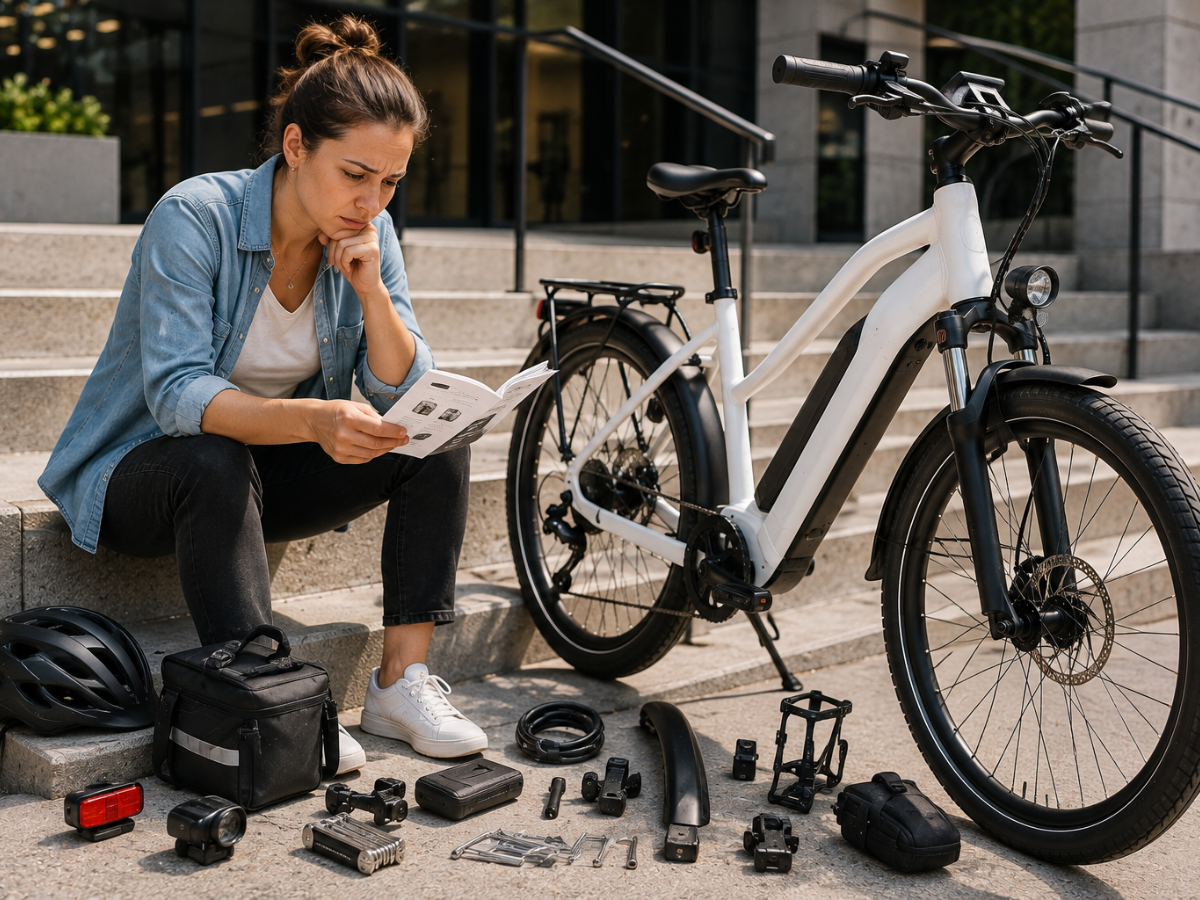
Ebike customization can turn a standard bike into something much better suited to your commute, weekend rides, or everyday errands.
But adding more equipment does not automatically create a better e-bike. Poorly planned upgrades can introduce fit problems, unnecessary weight, maintenance headaches, or accessories that simply never get used.
The best way to avoid wasted money is to treat customization as problem-solving. Every modification should have a clear purpose, work properly with the rest of the bike, and preserve safe handling and operation.
Buying Accessories Before You Know What You Need
It is easy to see another rider’s setup and assume the same accessories belong on your bike. In practice, useful upgrades depend heavily on how you ride.
Before purchasing anything, spend some time with the bike in its current configuration. Notice what repeatedly gets in the way. Do you arrive at work with an uncomfortable backpack? A rack and panniers might solve that.
Are evening rides making you wish you were more visible? Lighting deserves priority. Do your hands become uncomfortable after 30 minutes? Start by examining fit and riding position.
Buying around specific problems keeps your ebike customization project focused instead of turning it into a collection of unrelated accessories.
Assuming That Universal Accessories Will Fit
“Universal” does not always mean compatible with every e-bike. E-bikes have additional considerations such as battery location, electrical wiring, displays, controls, frame geometry, and sometimes proprietary mounting systems. Even a straightforward accessory can create an unexpected conflict.
A rear rack, for example, needs to fit the frame and accommodate the intended load. A handlebar accessory needs enough space without interfering with brake levers, shifters, displays, or controls. Larger tires need adequate clearance from the frame and fenders.
Check dimensions, mounting requirements, weight ratings, and manufacturer guidance before ordering. Compatibility becomes even more important when changing structural, braking, steering, or electrical components.
Adding Too Much Weight in the Wrong Places
Weight is easy to overlook because accessories are usually purchased individually.
A rack might not seem particularly heavy. Neither does a lock, basket, tool kit, or pair of loaded panniers. Put them together, however, and the bike may feel noticeably different.
Added weight can influence maneuverability, stopping, range, and the effort required to move the bike without motor assistance. Where that weight sits matters too. Poorly positioned or uneven cargo can make handling less predictable.
Always account for the bike’s payload limit, including the rider and everything carried on the bike. Racks, baskets, and other load-bearing accessories can also have their own weight ratings.
Changing Several Comfort Components at Once
If your bike is uncomfortable, replacing the saddle, grips, stem, handlebars, and seatpost simultaneously might seem efficient. It also makes it almost impossible to know what solved the problem.
Start with adjustment before replacement. Saddle height and position, handlebar setup, tire pressure, and other basic settings may improve the ride without requiring new parts.
If an upgrade is still needed, change one element and test it during the type of ride that normally causes discomfort. You can then decide whether another modification is actually necessary.
Treating Electrical Upgrades Like Regular Accessories
A new bag and a new battery are not the same type of customization.
Batteries, chargers, controllers, displays, motors, and electrical accessories need to be compatible with the bike’s electrical system. Physical fit alone is not enough. Voltage, connectors, software, battery-management systems, manufacturer specifications, and other factors can affect whether a component is appropriate.
Avoid improvised wiring or electrical modifications that are not supported by the bike or component manufacturer. If you are considering changes to the drive system or battery, professional guidance is particularly valuable.
Forgetting About Maintenance and Access
An accessory can fit perfectly and still be poorly positioned.
Think about what happens the next time you need to remove the battery, inflate a tire, adjust the brakes, clean the drivetrain, or take the bike in for service. Bags, racks, mounts, and other equipment should not unnecessarily block routine maintenance points.
Accessories themselves need attention as well. Mounting hardware can loosen, bags and straps wear, lights need charging, and load-bearing components should be inspected periodically.
A clean installation should make the bike more useful without making routine ownership unnecessarily complicated.
Use Three Questions Before Buying an Upgrade
A simple filter can prevent many customization mistakes:
| Question | What It Helps You Avoid |
|---|---|
| What specific problem does this solve? | Buying accessories you rarely use |
| Is it fully compatible with my bike and existing setup? | Fit, installation, and component conflicts |
| Will it affect weight, handling, maintenance, or safety? | Unintended consequences after installation |
If you cannot answer all three confidently, it is worth researching the upgrade further before purchasing it.
Thoughtful ebike customization is less about how much you can change and more about knowing what is worth changing. Build gradually, test modifications during real rides, and keep compatibility and maintenance in mind.
The result is a bike that feels more personal without sacrificing the reliability and usability that made it enjoyable in the first place.
Frequently Asked Questions About Ebike Customization
What is the best upgrade to make an e-bike more comfortable?
For many riders, replacing the stock saddle provides the biggest improvement in comfort. A saddle that matches your riding posture and anatomy can reduce pressure and fatigue on longer rides.
If discomfort continues, ergonomic grips, handlebar adjustments, and a suspension seatpost are often the next upgrades to consider as part of your ebike customization plan.
Which ebike customization upgrades should I install first?
Start with upgrades that improve safety and everyday usability before focusing on appearance. A quality helmet, secure lock, lights, and mirrors provide immediate benefits, while cargo racks, phone mounts, and comfort accessories can be added based on how you use your e-bike.
Cosmetic changes are usually best saved for the final stage of the project.
Can I customize any e-bike?
Most e-bikes can be customized to some extent, but compatibility varies by manufacturer and model. Frame design, battery placement, mounting points, and weight limits all influence which accessories and replacement components will fit correctly. Always verify compatibility before purchasing new parts.
Is professional installation necessary for ebike customization?
Many accessories, such as phone mounts, baskets, and mirrors, can be installed with basic tools. More complex upgrades, including handlebars, suspension components, or electrical accessories, may require professional installation to ensure proper fit, safety, and performance.
Will customizing my e-bike affect its warranty?
It can. Some manufacturers allow approved accessories without affecting warranty coverage, while modifications to electrical systems, motors, batteries, or other major components may impact warranty terms. Review your owner’s documentation or consult an authorized dealer before making significant changes.
How can I personalize my e-bike without affecting performance?
One of the easiest ways to personalize an e-bike is through accessories that don’t alter its handling or mechanical systems. Color-coordinated grips, pedals, frame protection wraps, bags, and other visual accents allow you to create a unique look while maintaining the bike’s original performance and reliability.
Where can I get help choosing the right accessories?
If you’re unsure which upgrades are compatible with your bike or best suited to your riding style, an experienced e-bike retailer can help. The team at ElectroBike Georgia can recommend accessories, comfort upgrades, and utility enhancements that align with your goals, budget, and specific bike model.
Conclusion
Customizing your e-bike is a great way to improve both comfort and style while creating a ride that matches your needs and personality. From upgraded seats and handlebars to lighting, racks, and other accessories, the right enhancements can make every ride more enjoyable, practical, and uniquely your own.
If you’re ready to personalize your ride, choose ElectroBike Georgia and call (404) 400-7132 to speak with the team at ElectroBike Georgia, or contact us today to get started.